
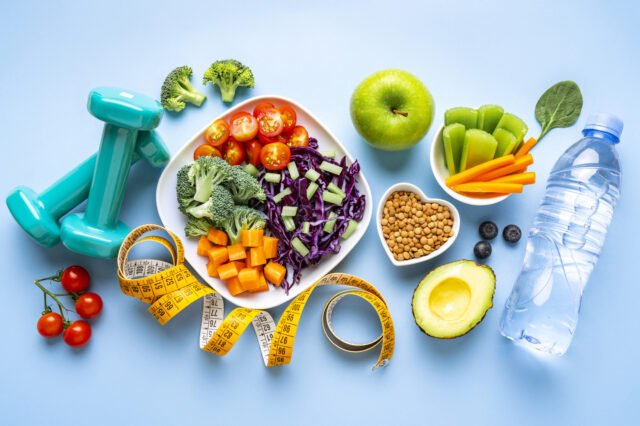
Open with the idea that improving your life doesn’t require a complete lifestyle overhaul.Explain how small daily decisions can gradually influence energy, health, mood, focus, and relationships.Acknowledge common U.S. lifestyle challenges such as long work hours, sitting for long periods, screen-heavy routines, convenience foods, and poor sleep schedules.
Introduce the 10 simple lifestyle changes covered in the article.Set the expectation that readers don’t need to adopt all 10 habits at once.Encourage choosing one manageable change and building from there.
1. Build a Morning Routine That Sets Up Your Day
- Explain why the first part of the day can shape daily priorities and behavior.
- Discuss creating a realistic morning routine rather than copying an elaborate social-media routine.
- Include practical habits:
- Drink water after waking.
- Get some natural light.
- Move or stretch for a few minutes.
- Eat breakfast if it works for your routine.
- Review the day’s priorities.
- Delay unnecessary phone scrolling.
- Explain how to create a routine that fits workdays, weekends, and family responsibilities.
Simple Morning Habits That Make Your Routine Easier
- Give a realistic 15–30 minute example.
- Explain how to prepare the night before.
- Mention that consistency matters more than waking up extremely early.
2. Make More Nutritious Food Choices
Explain how everyday food choices influence energy, fullness, and overall health.Focus on adding nutritious foods rather than creating an overly restrictive diet.
- Vegetables and fruits
- Whole grains
- Beans and legumes
- Lean proteins
- Nuts and seeds
- Healthy sources of fats
How to reduce highly processed foods, excess added sugar, and frequent sugary drinks.Include realistic American examples:
- Fast-food lunch → prepared grain bowl
- Chips → nuts or fruit
- Sugary soda → water or unsweetened beverage
Explain portion awareness without promoting extreme dieting.
A Simple Way to Build a Healthier Plate
- Introduce an easy plate-building approach.
- Show how readers can make healthier choices at restaurants, workplaces, and home.
- Emphasize flexibility rather than perfection.
3. Move Your Body More Throughout the Day
Explain why physical activity doesn’t have to mean spending hours at a gym. Distinguish structured exercise from everyday movement.
Cover practical options:
- Walking
- Cycling
- Swimming
- Strength training
- Dancing
- Yoga
- Recreational sports
Discuss breaking up long periods of sitting.Explain how short activity sessions can fit into busy schedules. Encourage readers to choose activities they actually enjoy.
Easy Ways to Add More Movement to Your Day
- Walking during breaks.
- Taking stairs when practical.
- Short movement sessions between tasks.
- Walking while talking on the phone.
- Weekend outdoor activities.
- Gradually increasing activity instead of doing too much too soon.
4. Make Quality Sleep a Daily Priority
Explain the relationship between sleep and energy, concentration, mood, recovery, and daily performance. Discuss why inconsistent sleep schedules can make healthy routines harder. Cover practical sleep habits:
- Keep a consistent sleep and wake schedule.
- Create a relaxing bedtime routine.
- Keep the bedroom comfortable and dark.
- Reduce stimulating screen use before bed.
- Limit late-day caffeine when it affects sleep.
Mention that individual sleep needs can vary. Explain what readers can do when they struggle to maintain a regular schedule.
Create a Simple Nighttime Routine
- Give an easy sequence such as:
- Finish demanding tasks.
- Dim lights.
- Put devices aside.
- Prepare for the next morning.
- Read or use another calming activity.
- Go to bed at a consistent time.
5. Stay Hydrated With a Practical Water Habit
Explain why hydration matters for normal body function. Avoid presenting one fixed water target as appropriate for everyone. Discuss factors that affect fluid needs:
- Activity level
- Weather
- Body size
- Diet
- Health circumstances
Explain practical ways to drink more water. Include examples for people who dislike plain water. Discuss choosing water instead of sugary drinks more often.
H3: Make Drinking Water Easier
- Keep a reusable bottle nearby.
- Drink with meals.
- Carry water when traveling.
- Add fruit or herbs for flavor if desired.
- Use normal daily routines as hydration reminders.
6. Find Healthier Ways to Manage Everyday Stress
Explain that stress is part of normal life but ongoing stress can affect well-being.Identify common modern stressors such as work pressure, financial concerns, family responsibilities, and constant notifications.
Introduce practical stress-management habits:
- Deep breathing
- Walking outdoors
- Journaling
- Meditation
- Reading
- Music
- Hobbies
- Talking with trusted people
Explain the difference between temporary relaxation and addressing the source of recurring stress. Encourage professional support when stress becomes difficult to manage.
Build a Five-Minute Stress Reset
- Step away from the trigger.
- Take slow breaths.
- Move your body.
- Reduce notifications.
- Identify the next small action.
- Return to the task with a clearer mind.
7. Set Healthier Boundaries With Screens and Social Media
- Explain how phones and digital platforms can consume attention throughout the day.
- Discuss possible problems associated with excessive or poorly timed screen use without exaggerating the evidence.
- Cover:
- Social media limits
- Phone-free meals
- Screen-free bedtime routines
- Turning off unnecessary notifications
- Taking regular breaks
- Explain that the goal isn’t eliminating technology.
- Focus on intentional use instead of constant checking.
Create a Healthier Digital Routine
- Identify the apps that consume the most time.
- Remove unnecessary notifications.
- Create specific checking periods.
- Keep phones away during meals or conversations.
- Replace some scrolling with reading, walking, hobbies, or social interaction.
8. Keep Learning and Challenge Your Mind
- Explain why personal growth doesn’t stop after school or college.
- Discuss learning as a lifestyle habit rather than another productivity task.
- Include:
- Reading
- Learning a language
- Cooking
- Creative hobbies
- Online courses
- Musical skills
- Practical skills
- Explain how learning can provide structure, confidence, curiosity, and a sense of progress.
- Encourage readers to choose something enjoyable rather than chasing another obligation.
Turn Learning Into a Small Daily Habit
- Read a few pages.
- Practice for 10–20 minutes.
- Watch an educational lesson.
- Work on one small skill at a time.
- Track progress without turning the hobby into a source of pressure.
9. Make Time for Meaningful Relationships
- Explain why social connection matters for overall well-being.
- Discuss quality over quantity.
- Cover practical ways to strengthen relationships:
- Have regular conversations.
- Eat meals together.
- Make plans instead of waiting for free time.
- Listen without immediately trying to fix problems.
- Check in with friends and family.
- Maintain healthy boundaries.
- Discuss how loneliness can occur even when someone spends a lot of time online.
- Include examples for busy adults and people living far from family.
Simple Ways to Stay Connected When Life Gets Busy
- Schedule a weekly call.
- Invite someone for a walk.
- Share a meal.
- Send a thoughtful message.
- Create recurring social activities.
- Prioritize face-to-face time when possible.
10. Practice Gratitude and Notice Small Wins
- Explain gratitude as a simple reflection habit rather than forced positivity.
- Discuss noticing positive moments during ordinary days.
- Include:
- Writing down things you’re grateful for.
- Appreciating supportive people.
- Recognizing personal progress.
- Celebrating small accomplishments.
- Reflecting on enjoyable moments.
- Avoid promising that gratitude will solve serious emotional difficulties.
- Explain how this habit can complement other healthy lifestyle practices.
Try a Simple Daily Gratitude Practice
- Spend two or three minutes reflecting.
- Write down a few specific positive moments.
- Mention why they mattered.
- Avoid repeating the same generic answers every day.
How to Start These Lifestyle Changes Without Feeling Overwhelmed
- Explain why attempting all 10 habits simultaneously can backfire.
- Recommend starting with one or two changes.
- Introduce a simple progression:
- Choose one habit.
- Make it extremely easy.
- Attach it to an existing routine.
- Track consistency.
- Increase gradually.
- Explain the difference between motivation and systems.
- Discuss what to do after missing a day.
- Emphasize returning to the habit instead of abandoning it.
The Small-Step Method for Building Healthy Habits
- Start with a version that takes five minutes or less.
- Repeat it consistently.
- Increase the difficulty only after it feels manageable.
- Use reminders and environmental cues.
- Focus on repetition rather than perfection.
Common Mistakes That Make Lifestyle Changes Harder
- Trying to change everything overnight.
- Setting unrealistic goals.
- Following someone else’s routine without considering personal circumstances.
- Relying entirely on motivation.
- Treating one missed day as failure.
- Choosing habits you dislike.
- Ignoring sleep while focusing only on exercise and food.
- Comparing progress with other people.
- Using extreme diets or overly restrictive routines.
- Expecting instant results.
A Simple 7-Day Plan for Better Lifestyle Habits
| Day | Focus | Simple Action |
| Day 1 | Hydration | Carry water throughout the day |
| Day 2 | Movement | Add a short walk |
| Day 3 | Food | Add an extra serving of vegetables or fruit |
| Day 4 | Sleep | Set a consistent bedtime |
| Day 5 | Stress | Take a five-minute reset |
| Day 6 | Relationships | Contact someone you care about |
| Day 7 | Reflection | Review what felt easiest and most useful |
How to Make Simple Lifestyle Changes Last
- Focus on systems rather than willpower.
- Connect new habits to existing routines.
- Make healthy choices convenient.
- Prepare meals and activities in advance.
- Track progress in a simple way.
- Expect occasional setbacks.
- Adjust habits around work, family, travel, and changing schedules.
- Review progress monthly.
- Reward consistency with meaningful non-food rewards.
- Emphasize sustainable progress over perfection.
Frequently Asked Questions About Simple Lifestyle Changes
What are the easiest lifestyle changes to make?
Answer around choosing small actions such as walking more, drinking more water, improving sleep habits, and eating more nutritious foods.
How can small lifestyle changes improve your life?
Explain how repeated small behaviors can gradually influence daily routines, health behaviors, energy, stress management, and relationships.
What lifestyle change should I start with first?
Explain that the best starting point depends on the person’s current routine and biggest practical need rather than prescribing one universal answer.
How long does it take to build a healthy lifestyle?
Explain that there isn’t one fixed timeline. Habits develop through repeated practice and become easier when the behavior fits naturally into daily life.
H3: Do I need to make all 10 lifestyle changes at once?
Clearly explain that readers can start with one or two manageable changes and build gradually.
How do I stay consistent with healthy habits?
Cover environmental cues, simple goals, habit tracking, preparation, realistic expectations, and restarting after setbacks.
Can simple lifestyle changes improve mental well-being?
Explain how habits such as physical activity, adequate sleep, social connection, stress management, and enjoyable activities can support overall well-being while noting that lifestyle habits aren’t a substitute for professional care when someone needs it.
Conclusion — Start With One Small Change Today
Reinforce the central message that a better lifestyle doesn’t require perfection.Summarize the 10 practical changes without simply repeating the entire article. Encourage readers to choose the easiest useful change first. Emphasize consistency, flexibility, and gradual improvement. End with an actionable thought: one small habit today can become part of a much healthier routine tomorrow.