
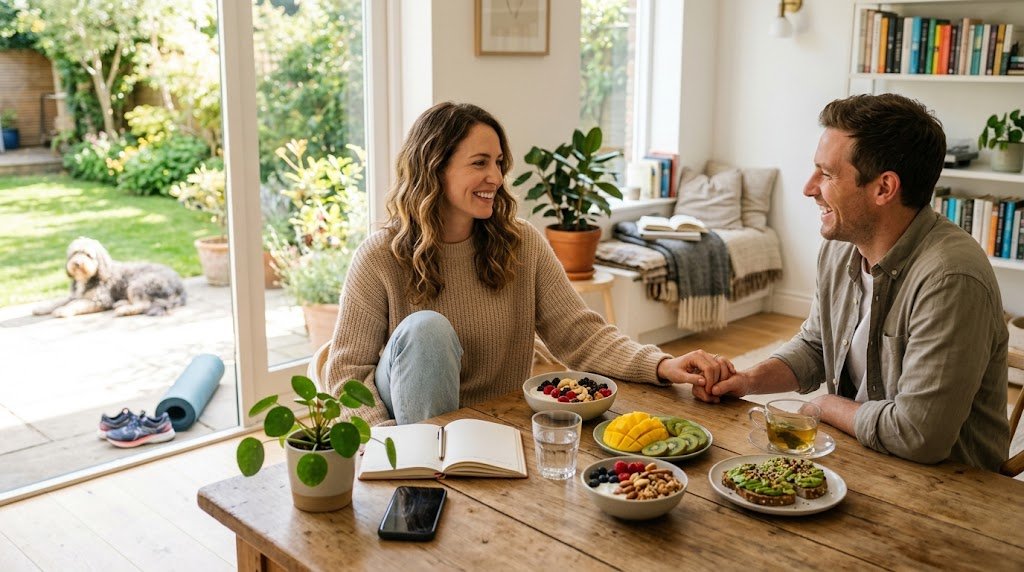
Open with the modern challenge of balancing work, health, relationships, responsibilities, and personal time.Explain that a balanced lifestyle doesn’t mean giving every part of life equal attention.Introduce the idea of creating a routine that supports physical health, mental well-being, relationships, productivity, and enjoyment.
Why small, sustainable lifestyle changes often work better than extreme routines.Naturally introduce the primary keyword “the ultimate guide to living a balanced lifestyle.”Briefly preview the practical areas covered in the guide.
Understand What a Balanced Lifestyle Means
Define a balanced lifestyle in simple terms. Explain the major areas that contribute to a balanced life:
- Physical health
- Mental and emotional well-being
- Nutrition
- Sleep
- Exercise
- Relationships
- Career and work
- Personal growth
- Recreation and hobbies
Why balance looks different for each person.Clarify that balance isn’t about perfection or following a rigid schedule. Discuss how personal values, responsibilities, age, work demands, and family life affect balance. Explain the difference between work-life balance and overall life balance. Introduce the idea of regularly checking which areas of life receive too much or too little attention.
Practical Tip
- Suggest a simple weekly life-balance check-in.
- Ask readers to rate important areas of their life based on satisfaction and attention.
- Identify one area that needs improvement instead of trying to change everything at once.
- Create one small action for the coming week.
- Reassess the routine after several days.
Prioritize Healthy Nutrition
How everyday food choices support energy, concentration, physical health, and overall well-being. Discuss building balanced meals rather than following extreme diets.
Cover useful food groups:
- Vegetables and fruits
- Whole grains
- Protein-rich foods
- Healthy fats
- Dairy or suitable alternatives
The importance of variety and portion awareness.hydration and practical ways to drink more water.how meal planning can make healthy eating easier for busy Americans.Address eating out, takeout, snacks, and convenience foods without creating an unrealistic “perfect diet.”Mention moderation rather than strict food rules.Connect healthy nutrition with a sustainable balanced lifestyle.
Real-World Example
- Describe a busy professional who relies on takeout during the workweek.
- Show how preparing a few simple meals ahead of time can make healthier choices easier.
- Emphasize convenience, flexibility, and consistency rather than perfection.
Stay Physically Active
- Why regular movement belongs in a balanced daily lifestyle.
- Benefits associated with physical activity such as cardiovascular fitness, strength, Mobility, mood, and energy.
- Cover different ways to stay active:
- Walking
- Cycling
- Swimming
- Running
- Dancing
- Yoga
- Strength training
- Recreational sports
- That exercise doesn’t have to happen in a gym.
- Breaking up long periods of sitting.
- Explain how beginners can start with manageable activity and gradually build consistency.
- Finding activities that are enjoyable enough to maintain long term.
- Connect physical activity with healthy lifestyle habits rather than appearance-focused goals.
Get Enough Quality Sleep
- Create a relaxing bedtime routine.
- Keep the bedroom comfortable and quiet.
- Reduce stimulating activities before bed.
- Limit late-day caffeine when it affects sleep.
- Keep consistent sleeping hours when possible.
Manage Stress in Healthy Ways
- Work pressure
- Financial responsibilities
- Family commitments
- Digital overload
- Lack of downtime
- Explain healthy ways to manage everyday stress:
- Deep breathing
- Walking
- Exercise
- Journaling
- Mindfulness
- Time outdoors
- Relaxing hobbies
- Talking with trusted people
Build Meaningful Relationships
- Family
- Friends
- Partners
- Coworkers
- Community members
- Listen without immediately trying to fix problems.
- Make regular time for important people.
- Express appreciation.
- Communicate clearly.
- Respect boundaries.
- Ask for support when needed.
Create Healthy Daily Routines
- Planning priorities
- Eating regular balanced meals
- Moving throughout the day
- Taking short breaks
- Staying hydrated
- Limiting unnecessary screen time
Make Time for Personal Growth
- Reading
- Learning new skills
- Online courses
- Creative hobbies
- Volunteering
- Career development
- Personal goals
Explain how hobbies can provide a break from work and responsibilities.Discuss setting realistic goals instead of filling every free hour with productivity.Show how personal growth can include enjoyment rather than constant self-improvement.Encourage readers to protect some time for activities they genuinely enjoy.
Maintain a Healthy Work-Life Balance
- Setting working hours
- Taking meaningful breaks
- Turning off unnecessary work notifications
- Avoiding constant after-hours checking
- Using vacation or personal days
Address remote work and the difficulty of separating work from home life.Explain how realistic scheduling can prevent every day from becoming overloaded.Discuss prioritizing important tasks instead of trying to complete everything.Explain that healthy work-life balance can look different for employees, parents, business owners, students, and caregivers.Connect professional productivity with adequate rest and personal time.
Common Mistakes to Avoid
Trying to Change Everything at Once
- Explain why dramatic lifestyle overhauls often become difficult to maintain.
- Recommend starting with one or two manageable habits.
Chasing Perfection
- Explain the difference between consistency and perfection.
- Show how missing one workout or eating one unhealthy meal doesn’t erase overall progress.
Ignoring Sleep and Recovery
- Explain why constantly adding activities can create an overloaded routine.
- Emphasize rest as part of a healthy lifestyle rather than wasted time.
Spending Too Much Time on Screens
- Discuss social media, entertainment, notifications, and unnecessary scrolling.
- Explain how digital boundaries can create more space for sleep, movement, relationships, and hobbies.
Comparing Your Lifestyle With Others
- Explain why another person’s routine may not fit your work, family, finances, or responsibilities.
- Encourage readers to measure progress against their own goals.
Turning Health Into a Punishment
- Explain why overly restrictive food rules or excessive exercise can make healthy habits harder to sustain.
- Promote flexibility and realistic choices.
Forgetting to Reassess Your Routine
- Explain that life changes over time.
- Encourage regular reviews when work, family, health, or personal priorities change.
Practical Tips for Living a Balanced Lifestyle
Start With Three Small Changes
- Choose one nutrition habit.
- Choose one movement habit.
- Choose one rest or stress-management habit.
- Explain how small changes reduce overwhelm.
Plan Your Week Around Your Priorities
- Schedule important activities instead of hoping free time appears.
- Include work, exercise, meals, relationships, rest, hobbies, and personal tasks.
- Leave room for unexpected events.
Use the “Good Enough” Approach
- Explain why a realistic 70–80% consistent routine may be easier to maintain than an unrealistic perfect routine.
- Encourage flexibility during busy periods.
Protect Your Personal Time
- Set boundaries around work and digital distractions.
- Reserve time for hobbies, family, relaxation, or simply doing nothing.
Build Habits That Fit Your Real Life
- Match habits to your schedule, environment, budget, and responsibilities.
- Avoid copying routines designed for someone with a completely different lifestyle.
Review Your Balance Each Week
- Ask:
- Am I sleeping enough?
- Am I moving regularly?
- Am I eating in a way that supports my needs?
- Am I making time for people who matter?
- Am I carrying too much stress?
- Am I enjoying my life?
- Pick one area to adjust during the next week.
Create a Simple Balanced Lifestyle Checklist
Include a concise checklist covering:
- Nutritious meals
- Regular movement
- Quality sleep
- Stress management
- Meaningful relationships
- Personal interests
- Work boundaries
- Digital balance
- Rest and recovery
- Regular self-review
Frequently Asked Questions
What is a balanced lifestyle?
Give a concise definition covering physical health, mental well-being, relationships, work, rest, and personal fulfillment.
How can I start living a more balanced lifestyle?
Focus on choosing a few realistic habits instead of changing the entire routine at once.
Why is balance important in everyday life?
Explain how balance can support healthy routines, energy, relationships, productivity, and overall well-being.
How do I balance work and personal life?
Cover boundaries, scheduling, breaks, realistic priorities, and protecting personal time.
What are the most important habits for a balanced lifestyle?
Mention sleep, nutritious eating, physical activity, stress management, relationships, personal time, and sustainable routines.
How can I maintain a balanced lifestyle when life gets busy?
Explain flexible routines, minimum-version habits, prioritization, and temporarily adjusting expectations.
Conclusion
Reinforce that the ultimate guide to living a balanced lifestyle isn’t about creating a perfect schedule.Summarize the core pillars: nutrition, movement, sleep, stress management, relationships, personal growth, routines, and work-life balance.Emphasize small actions and sustainable consistency.Encourage readers to identify the one area of life that needs attention first.End with a practical, motivating thought about building a lifestyle that supports both responsibilities and enjoyment.