

Finding the best Coca de Recapte near me is a quest that often leads food enthusiasts away from generic pizzerias and toward the hidden gems of regional Spanish bakeries scattered across the United States. This traditional Catalan flatbread, characterized by its crisp, olive oil-enriched dough and vibrant vegetable toppings, represents a cornerstone of Mediterranean culinary heritage.
While the term “Spanish pizza” is sometimes used by casual observers to describe it, the reality is far more nuanced, as the preparation, texture, and flavor profile of a true coca differ significantly from Italian counterparts. Whether you are scouring major metropolitan areas or searching for specialty importers, understanding what constitutes an authentic version is the first step in your culinary journey.
Understanding the Essence of Catalan Coca

At its core, the Catalan coca is a versatile foundation that bridges the gap between savory pastry and rustic bread. Unlike the airy, yeasty crust of a Neapolitan pizza, the dough for a coca is usually thinner, denser, and deeply infused with high-quality olive oil.
This gives the base a distinctively short, almost biscuit-like texture that remains firm even when loaded with moisture-rich vegetables. The word “recapte” itself refers to the tradition of gathering local, seasonal ingredients to “recap” or provision the bread, essentially turning leftovers or garden harvests into a nutritious meal.
The authenticity of this dish relies heavily on the quality of the flour and the oil. In many traditional Catalan households, the dough is prepared with a simple mixture of flour, water, yeast, and a generous pour of extra virgin olive oil.
This mixture is kneaded until smooth and then left to rest until it reaches the perfect elasticity. Because it is a flatbread, it does not require the extensive proofing time associated with artisanal sourdough loaves, but it does demand a specific handling technique to ensure the edges become golden and crunchy while the center remains tender enough to support the weight of roasted peppers and onions.
The Anatomy of Traditional Toppings
When you set out to find the best Coca de Recapte, you must look for the hallmark toppings that define the dish. The most classic version features escalivada, a mixture of roasted red peppers and eggplant that have been charred until sweet and smoky.
These vegetables are typically stripped into long, thin ribbons and arranged across the dough before the entire tray is slid into a hot oven. The heat caramelizes the natural sugars in the peppers, creating a deep, savory flavor that pairs perfectly with the salty, earthy base.
Beyond the peppers and eggplant, you will often find sardines, anchovies, or botifarra—a traditional Catalan sausage—added to the surface. The interplay between the saltiness of the fish or the richness of the pork and the sweetness of the roasted vegetables is what makes this dish a standout.
If you are examining a menu or a bakery display, look for these specific vegetable arrangements. If the toppings look like they were tossed on haphazardly or if the cheese is overpowering the vegetables, you are likely looking at a generic flatbread rather than an authentic Catalan creation.
Navigating Spanish Bakeries in Major U.S. Cities
If you live in a city with a robust culinary scene, such as New York, Miami, or San Francisco, your chances of finding a bakery that specializes in regional Spanish goods are much higher. These cities often host specialty shops that import specific ingredients from Spain, such as Pimentón de la Vera or arbequina olive oil, which are essential for achieving that authentic taste. To find a true Coca de Recapte, look for bakeries that advertise themselves as “panaderías” or “pastelerías” rather than general-purpose European cafes.
In these specialized spaces, you can often speak directly with the bakers. An authentic baker will be able to tell you about the hydration levels of their dough and the origin of their olive oil. Because the dish is labor-intensive—requiring the individual roasting and peeling of peppers—it is rarely found in mass-market chains.
Instead, it is the pride of smaller, artisanal shops that prioritize craft over volume. If you call ahead, ask specifically if they make their flatbread from scratch or if they use a pre-made base, as the latter will never yield the correct texture for a genuine experience.
The Role of Olive Oil in Texture and Flavor
It is impossible to overstate the importance of olive oil in the production of a high-quality coca. The oil is not merely a condiment used for drizzling; it is an active ingredient in the dough itself. When you mix the flour with a high-percentage of olive oil, the fat coats the gluten strands, preventing them from becoming too elastic or chewy.
This creates the “short” texture that is the hallmark of the best flatbreads in the region. When you take a bite, the bread should shatter slightly at the edges and offer a subtle, fruity aroma that lingers on the palate.
When searching for the best version, pay attention to the sheen on the crust. A properly made coca will have a subtle, oily glaze that indicates it was brushed with oil before and after baking.
This practice not only protects the dough from drying out in the intense heat of the oven but also helps the toppings meld into the bread, creating a cohesive bite. If the crust appears dry, matte, or overly bready, the baker may have skimped on the oil or used a lower-quality fat, which fundamentally changes the nature of the traditional recipe.
Recognizing Authentic Preparation Techniques
The process of making this flatbread is as important as the ingredients themselves. Authentic bakers will often roll the dough out by hand rather than using a mechanical press, which preserves the integrity of the air bubbles within the structure.
The dough is then usually pressed into a rectangular baking sheet, which is why coca is almost always rectangular rather than round. This shape allows for efficient slicing into strips, making it an ideal snack for communal eating or as a portable lunch.
You can often tell if a shop is truly dedicated to the craft by observing the thickness of the dough. A real Coca de Recapte is thin—rarely more than half an inch thick—to ensure that the heat of the oven crisps the bottom thoroughly. If the bread is too thick, it becomes soggy under the moisture of the roasted peppers.
Furthermore, the oven temperature is key; the best results are achieved in a high-heat deck oven that mimics the traditional stone hearths of Catalonia. If a business claims to sell authentic coca but prepares it in a standard convection oven at a low heat for a long time, the result will lack the distinct crunch of the original.
Differentiating Between Spanish Flatbread and Pizza
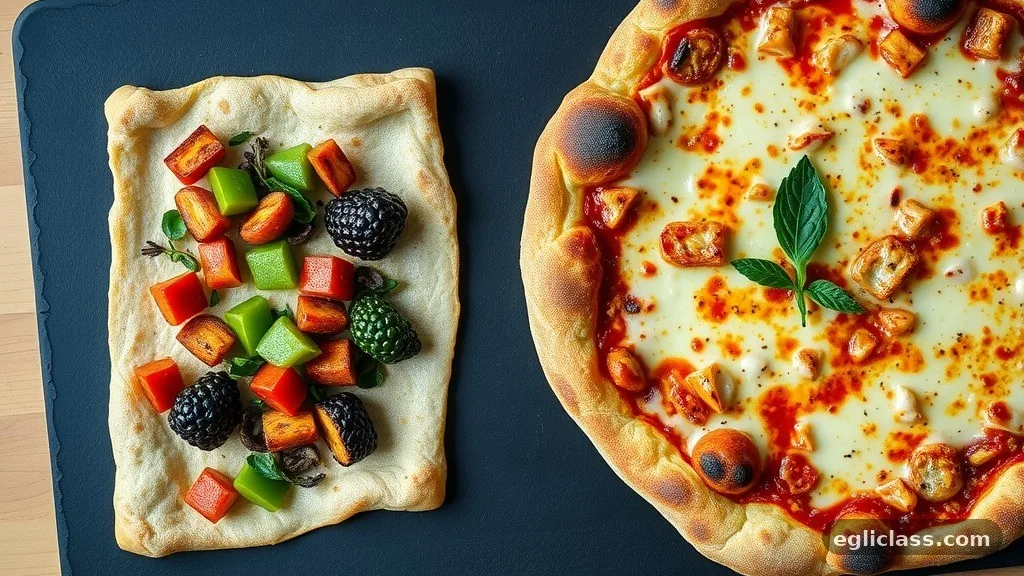
One of the most common questions people have when searching for this dish is how it differs from a standard pizza. While both involve dough, flour, and toppings, the philosophy behind them is fundamentally different. Pizza, especially in the Italian tradition, relies on the crust as a vessel for melted cheese and acidic tomato sauce.
A Coca de Recapte, by contrast, is rarely topped with cheese. Instead, it relies on the marriage of roasted vegetables, the natural moisture of the olive oil, and sometimes a touch of salt-cured fish or meat.
The flavor profile of a coca is much earthier and more focused on the natural sweetness of caramelized onions and peppers. It is meant to be eaten at room temperature or slightly warm, whereas pizza is almost exclusively served piping hot to ensure the cheese remains molten.
If you find a place that insists on putting mozzarella on their coca, you are likely looking at a hybrid dish designed for a broader American palate. While it might be tasty, it is important to recognize it as an adaptation rather than an authentic regional specialty.
Sourcing Ingredients to Make Your Own
If you find that the best Coca de Recapte near you is still hundreds of miles away, the next best option is to source the ingredients and attempt to make it yourself. The beauty of this recipe is that it does not require a complex kitchen setup, though it does benefit from the use of specific, high-quality ingredients. You will need a high-protein bread flour, a robust extra virgin olive oil, and the freshest peppers and eggplants you can find.
For those interested in the history and chemistry of the dough, the Spanish Ministry of Culture and Sport provides resources on the intangible cultural heritage of various regions, including the culinary traditions of Catalonia. Researching these traditions can provide inspiration for your own kitchen experiments.
When you make the dough, remember that the “until” phase is critical—you must knead the dough until it is elastic and smooth, and you must bake it until the edges are dark golden brown. Patience during the roasting of the vegetables is equally important; you want them to be soft enough to melt into the bread, not crunchy or raw.
Serving and Pairing Suggestions
Once you have secured or prepared your flatbread, the way you serve it can significantly enhance the experience. Because the flavors are rooted in the Mediterranean, a coca pairs exceptionally well with dry, crisp white wines from the Penedès region or a light, chilled Cava. The effervescence of the sparkling wine cuts through the richness of the olive oil, while the acidity cleanses the palate after the savory, roasted vegetable flavors.
When serving, cut the coca into long, narrow rectangles. This is the traditional way to present the dish, allowing each guest to pick up a slice easily. If you are serving it as an appetizer, consider adding a small side of allioli—a pungent, garlic-heavy emulsion—for dipping.
While the coca is flavorful enough on its own, a touch of extra heat or garlic can elevate the experience for those who prefer bolder flavors. Remember that the temperature is key: if you are serving it at a party, aim for room temperature, as this allows the nuances of the olive oil and the roasted vegetables to shine through most clearly.
Common Mistakes to Avoid When Searching
When you are on the hunt for the “best” version, it is easy to be misled by marketing. Many establishments use the word “Spanish” as a broad umbrella term, leading customers to believe that any flatbread with peppers is a traditional coca. To avoid disappointment, look for specific indicators of quality.
A shop that uses canned peppers rather than roasting them fresh is a major red flag. Similarly, if the dough looks pale or rubbery, it has likely been frozen or produced in a factory setting.
Another mistake is assuming that a restaurant with a “Spanish” name necessarily specializes in Catalan cuisine. Spain has immense regional diversity, and a place that excels at Andalusian tapas may not have the expertise or the equipment to produce a proper Catalan flatbread.
Always scan the menu for the specific term “Coca de Recapte.” If it is not explicitly listed, or if the description sounds like a generic vegetable flatbread, you are likely better off looking elsewhere or trying your hand at a homemade version.
The Future of Traditional Catalan Baking in the U.S.
As American consumers become more interested in authentic, regional European foods, the availability of traditional items like the Catalan coca is slowly increasing. We are seeing a shift away from the “fusion” trend and toward a deeper appreciation for the specific techniques that define regional dishes. This is a positive development for those who value culinary history, as it encourages bakers to invest in the time and ingredients required to produce authentic products.
In the coming years, we may see more “boulangeries” and “panaderías” focusing on heritage grains and traditional methods. This will make it easier for people to find high-quality, authentic options without having to travel across the country.
Until then, the search for the best Coca de Recapte remains a rewarding endeavor that connects us to the vibrant, sun-drenched flavors of the Mediterranean. By understanding the ingredients, the techniques, and the history behind this humble yet complex flatbread, you can better appreciate the effort that goes into every authentic slice you find.
Tips for Identifying High-Quality Flour and Oil
The foundation of your coca is its dough, and the quality of the dough is entirely dependent on the quality of the flour and oil you use. When you are looking for a bakery that makes this bread, try to determine what kind of flour they use.
High-quality bakeries often source stone-milled or organic, unbleached flour, which provides a more complex, nutty flavor profile than highly processed, bleached white flour. You can often tell by the color of the crust; if it has a slightly creamy or off-white hue rather than a stark, bright white appearance, it is a sign of better-quality flour.
The olive oil is equally important. In the Mediterranean, the type of oil used can vary by region, but the best cocas use a high-quality extra virgin olive oil that has not been overly refined. If you are shopping for ingredients yourself, look for oils that are bottled in dark glass or metal containers, as light degrades the flavor and nutritional profile of the oil over time.
The aroma should be fresh and grassy, and it should have a slight peppery finish on the back of the throat. If the oil smells flat or metallic, it will negatively affect the taste of the entire flatbread.
The Importance of Seasonal Toppings
Finally, remember that the “recapte” in the name implies that the toppings should be seasonal. In the summer, a truly authentic coca might feature fresh tomatoes and peppers, while in the cooler months, it might incorporate more root vegetables or preserved items. A shop that maintains the same topping menu year-round is likely prioritizing consistency over the traditional ethos of the dish.
Keep an eye out for places that rotate their offerings based on what is available at local farmers’ markets. This shows a commitment to the spirit of the dish, which was originally designed to make the most of the harvest.
By engaging with bakers who are passionate about seasonality, you are more likely to find a version that captures the essence of the Catalan countryside. Whether you are in a small town or a bustling city, the search for the best Coca de Recapte is as much about finding a connection to a rich, historical culture as it is about enjoying a delicious, savory meal.