

Finding the best Locro de Zapallo near me is a journey that often leads to hidden gems tucked away in neighborhoods where the scent of slow-cooked squash and aromatics defines the culinary landscape. This iconic South American stew is more than just a meal; it is a warm, comforting staple that draws on deep-rooted indigenous traditions, blending the sweetness of local pumpkin varieties with savory elements to create a dish that is both rustic and refined. Whether you are searching for a traditional family-run kitchen or a modern restaurant putting a creative spin on the classic, understanding what makes a truly authentic bowl of this creamy, hearty stew is the first step toward finding your local favorite.
Defining the Essence of Traditional Locro

At its core, locro is an ancient dish with roots extending back to the Andean cultures of South America. While variations exist across Argentina, Bolivia, and Peru, the common thread is the use of the zapallo squash.
This specific type of pumpkin is prized for its dense, vibrant orange flesh and its ability to break down during the cooking process, thickening the liquid into a rich, velvety consistency. Unlike thinner vegetable soups, a proper locro should be substantial enough to coat the back of a spoon, providing a sense of satiety that has sustained mountain communities for centuries.
When you are on the hunt for the best version of this dish, look for restaurants that prioritize the texture of the squash. The best chefs ensure that while much of the vegetable dissolves into the broth, there are still distinct, tender cubes of pumpkin remaining to provide texture.
This balance is a hallmark of a skilled cook who understands the timing required to build the stew’s foundation. If the stew is too watery, it often indicates a lack of patience or the use of an inferior variety of squash that fails to provide the necessary starch.
Navigating Local Restaurant Menus for Authentic Stews
When you search for the best locro de zapallo in your area, you will likely encounter a range of interpretations. Some establishments lean heavily into the Peruvian style, which often incorporates milk or fresh cheese to enhance the creaminess.
Others might focus on a more Andean approach, emphasizing the natural starchiness of the pumpkin and the inclusion of various legumes. It is helpful to ask the server or chef if they use a base of sofrito—a fragrant mixture of onions, garlic, and spices—as this is the traditional starting point for any authentic recipe.
If you are dining at a place that claims to be authentic, keep an eye out for the presence of corn. Many regional versions include kernels of Andean corn or even chunks of corn on the cob, which add a delightful sweetness that contrasts with the savory notes of the stew.
Furthermore, the inclusion of peas is common in many households; these small green gems offer a pop of color and a fresh flavor profile that cuts through the richness of the pumpkin. A restaurant that pays attention to these small, traditional details is far more likely to provide an experience that feels like a home-cooked meal.
The Role of Zapallo and Squash Varieties
The quality of the dish is fundamentally tied to the type of squash used. In many parts of South America, the term zapallo refers to a specific variety that is similar to a large, hard-skinned winter squash or pumpkin.
These varieties are chosen specifically because they are less watery than the standard jack-o’-lantern pumpkins found in North American grocery stores. Their flesh is sweeter, nuttier, and holds a deep golden hue that defines the visual appeal of the final dish.
When you visit a local spot, you can often tell if they are using the right ingredients by the color and opacity of the broth. If the stew looks pale or overly orange-dyed, it may be a sign of shortcuts. A truly authentic locro has an earthy, deep amber or golden color derived entirely from the squash itself.
The natural sugars in the pumpkin caramelize slightly during the slow cooking process, adding a complex depth of flavor that cannot be replicated by artificial additives. If you are cooking at home, you can learn more about the nutritional profile and agricultural history of these squashes through the Food and Agriculture Organization of the United Nations as a reference for crop diversity.
Mastering the Texture of the Stew
Texture is perhaps the most debated aspect of this dish among aficionados. Some believe that every piece of the vegetable should be completely integrated into the broth, creating a smooth, porridge-like consistency.
Others prefer a more rustic approach where distinct cubes of squash and potatoes remain intact, providing a varied mouthfeel. Neither approach is inherently “wrong,” but the best local spots usually find a middle ground that showcases the versatility of the vegetable.
To achieve this, the cook must manage the heat carefully. If the heat is too high, the stew may scorch on the bottom of the pot, ruining the delicate sweetness of the pumpkin. If the heat is too low, the squash may not break down sufficiently to create that necessary, thick body.
The best chefs will start with a high heat to sear their aromatics and then drop to a gentle simmer, allowing the pumpkin to essentially “melt” into the liquid over the course of several hours. When dining out, observe the consistency; if the stew clings to your bread or spoon, you have likely found a kitchen that respects the traditional technique.
The Importance of Seasoning and Aromatics
While the pumpkin is the star of the show, the supporting cast of seasonings is what makes the dish memorable. A standard base often includes cumin, oregano, and sometimes a touch of chili or paprika, depending on the region.
These spices provide a subtle warmth that complements the natural sweetness of the squash. It is important that the seasoning does not overpower the main ingredient; the goal is to enhance the earthiness of the stew rather than mask it.
When you are sampling different versions, pay attention to the balance of salt and acidity. A touch of fresh cheese or even a squeeze of lime can brighten the entire dish, lifting the heavy, comforting flavors of the pumpkin and beans.
If a restaurant serves the dish with a side of aji sauce or a spicy condiment, it is a sign that they intend for the diner to customize the heat level. This personalization is a common feature in many South American households, where the base stew is mild enough for everyone, and individual diners add their preferred amount of spice.
Incorporating Protein and Legumes
Locro is rarely just a vegetable stew in the traditional sense; it is often a complete meal that incorporates beans, corn, and sometimes various cuts of meat. In many authentic recipes, white beans are added to the pot to provide extra protein and fiber, as well as to add another layer of starch that helps thicken the broth. If you are looking for a vegetarian or vegan version, the beans are essential for ensuring the dish is filling and satisfying.
If you are a meat-eater, you might look for versions that include thin slices of beef or even chorizo. The fat from the meat renders into the stew, adding a savory richness that pairs perfectly with the pumpkin. However, the best kitchens will ensure that the meat is tender and shredded or cut into small pieces so that it integrates seamlessly with the squash.
A dish where the meat is tough or oversized often detracts from the delicate, cohesive nature of the stew. When you find a place that balances these protein elements without compromising the integrity of the vegetable base, you have likely found a high-quality establishment.
The Cultural Significance of Sharing a Bowl
To understand the culture behind this dish, one must recognize that it is traditionally a communal meal. Historically, locro was prepared in large batches for celebrations, agricultural festivals, or family gatherings.
There is something inherently social about eating a hearty stew that requires a long, slow cooking time. When you dine at a restaurant that specializes in this, look for signs of this communal spirit—perhaps they offer larger portions for sharing or serve it in traditional clay bowls that retain heat.
The act of eating this dish is tied to the seasons. While it is enjoyed year-round, it is particularly popular during the cooler months when the warmth of the stew provides comfort.
Finding a local spot that features this on their menu during the transition into autumn or winter is a good indicator that they are following the seasonal traditions of the Andes. Engaging with the staff about the history of the dish can also enhance your experience, as many chefs are passionate about the heritage recipes passed down through their families.
Identifying Quality Ingredients in a Local Dish
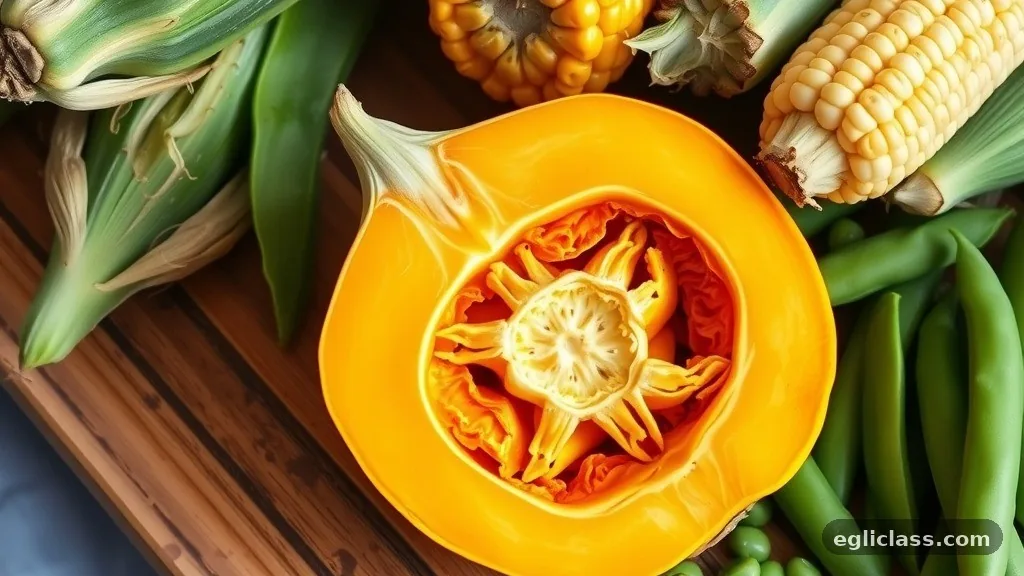
How can you tell if the ingredients are fresh? In a dish like this, the quality of the produce is paramount. The squash should taste fresh, not like it has been sitting in a freezer for months.
The corn should have a slight snap to it, and the peas should be vibrant green rather than dull and overcooked. Because the dish relies on so few primary ingredients, the quality of each individual component is magnified.
If you are visiting a market-style restaurant, check if they are using local, seasonal produce. Farms that grow heirloom varieties of squash often produce a product with a much deeper flavor profile than mass-market options.
When you taste a version of this stew that uses high-quality, farm-fresh ingredients, the difference in the sweetness and the texture of the sauce is immediately apparent. It is worth asking the restaurant where they source their vegetables, as those who care about their supply chain are almost always the ones producing the most authentic and delicious results.
Pairing Your Stew for a Complete Experience
A bowl of hearty pumpkin stew is best enjoyed with the right accompaniments. Crusty bread is a must, as it is perfect for mopping up the last of the thick, creamy sauce.
Some regions also serve the dish with a side of avocado or a fresh salad to provide a cooling contrast to the warmth of the stew. If you are dining at a restaurant, look for these thoughtful pairings on the menu.
If you are enjoying this at home, consider what you might serve alongside it. A light, acidic salad with a vinaigrette dressing can cut through the richness of the pumpkin, while a crusty sourdough bread adds a necessary crunch.
Some people also enjoy a sprinkle of fresh cilantro or green onions on top just before serving, which adds a bright, herbal note that complements the earthiness of the squash. Understanding these complementary flavors allows you to elevate a simple bowl of stew into a full-fledged culinary event.
Common Misconceptions and Variations
There is a common misconception that all pumpkin stews are the same. However, the distinction between a puréed soup and a traditional locro is significant.
A soup is often blended to a uniform consistency, whereas a locro is a stew that retains its character through the varying textures of its ingredients. If you find a restaurant that serves a perfectly smooth, blended soup under the name of locro, it may be a modern adaptation rather than a traditional preparation.
Additionally, the level of heat can vary wildly. Some versions are quite spicy, utilizing local chili peppers, while others are mild and emphasize the sweetness of the squash. Don’t be afraid to ask your server about the spice profile before ordering.
If you prefer a milder dish, many kitchens are happy to accommodate or can provide the heat on the side. Embracing these variations is part of the fun of exploring different regional takes on such a beloved classic.
Developing Your Own Palate for Authenticity
The more you explore, the more you will develop your own preferences. You might find that you prefer the version with more beans, or perhaps you gravitate toward the style that leans into the sweetness of the corn. By visiting different local establishments and paying attention to the details—the texture of the cubes, the depth of the color, the quality of the aromatics—you will eventually become a connoisseur of this traditional dish.
Do not be discouraged if your first attempt at finding the “best” one is not perfect. The beauty of South American cuisine lies in its diversity and its ability to reflect the unique personality of the cook.
Whether you find your favorite bowl at a small, unassuming hole-in-the-wall or a bustling city bistro, the experience of enjoying a warm, authentic meal is always rewarding. Keep exploring, keep tasting, and keep asking questions about the ingredients and the traditions behind the recipes.
The Lasting Appeal of Comfort Food
Ultimately, the popularity of this dish stems from its ability to provide genuine comfort. In a world of fast food and processed meals, the slow-cooked nature of a traditional stew represents a return to basics.
It is a dish that requires time, care, and a respect for the ingredients. When you find a spot that honors these principles, you are not just getting a meal; you are getting a piece of cultural history.
As you continue your search for the best local version, remember that the best experiences often come from places that are passionate about their roots. Look for menus that highlight traditional techniques, staff who can explain the origins of their ingredients, and a dining environment that invites you to slow down and savor every bite. Whether you are a long-time fan of Andean cuisine or a newcomer looking to try something new, the journey toward finding the perfect bowl of pumpkin stew is one that is well worth taking.
Refining Your Search Strategies
When searching online, use specific terms to filter your results. Instead of just searching for the dish name, try adding your neighborhood or city name to see if local food blogs or review sites have highlighted specific restaurants. Often, smaller, independent businesses do not have a large online presence, so checking local community forums or social media groups can be a goldmine for finding those hidden local favorites that don’t always appear at the top of search engine results.
Pay attention to reviews that mention specific textures or ingredients. If a reviewer talks about the “creamy, authentic texture” or the “perfectly tender cubes of squash,” that is a strong signal that the kitchen is doing things the right way.
Conversely, if reviews consistently mention that the dish is bland or watery, you can likely skip that location. By leveraging the experiences of others, you can narrow down your search and focus your time and appetite on the places that are most likely to deliver a truly authentic and satisfying meal.
The Future of Traditional Cooking
As interest in global cuisines continues to grow, more restaurants are beginning to feature traditional dishes like this on their menus. This is a positive trend, as it helps to preserve culinary traditions and exposes more people to the rich flavors of South America.
However, it also means that the quality can be inconsistent. By staying informed and knowing what to look for, you play a role in supporting those who do it right.
Support the restaurants that take the time to source the right squash, use traditional aromatics, and cook with patience. Your patronage encourages them to continue these practices, ensuring that authentic versions of this comfort food remain available for generations to come. It is a mutually beneficial relationship: you get a delicious, authentic meal, and the culinary traditions of the Andes continue to thrive in your local community.
Closing Thoughts on the Culinary Journey
Your search for the best stew is ultimately a reflection of your own tastes and curiosities. Whether you find the perfect bowl on your first try or spend months sampling different versions, the journey is filled with new flavors, textures, and cultural insights. Do not be afraid to step outside of your comfort zone and try a version that includes ingredients you might not have considered before, such as different types of beans or fresh herbs.
Every bowl tells a story of the land, the people, and the history that created it. By taking the time to appreciate the nuances of a well-made locro, you are honoring that history. Enjoy the process of finding your local favorite, and may every bowl you discover bring you the warmth and satisfaction that this classic dish is so famous for.