

When you search for the best Pollo Al Chilindron near me, you are embarking on a culinary quest for one of the most iconic comfort foods from the Aragon region of Spain. This rustic, soul-warming dish is a masterpiece of simplicity, relying on the quality of its components to create a deep, complex flavor profile that defines traditional Spanish home cooking. Finding a restaurant that serves an authentic version of this chicken stew in the United States requires an understanding of what makes the dish special and where to look for regional pockets of Spanish gastronomy.
Understanding the Roots of Pollo al Chilindrón 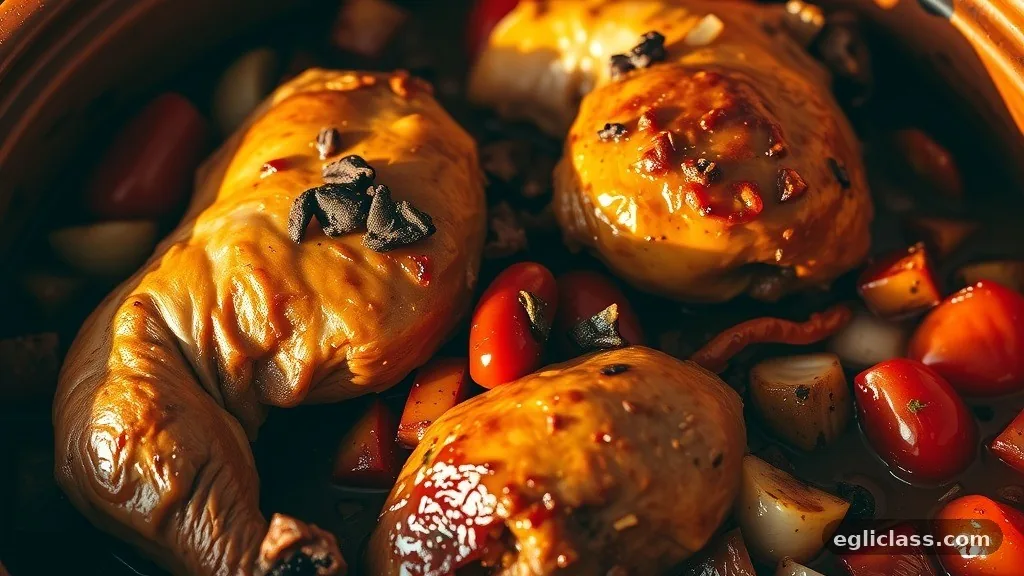
To appreciate the effort involved in finding this dish, one must first understand its origins.
Pollo al Chilindrón is fundamentally a stew from the mountainous regions of northern Spain, specifically Aragon, Navarre, and La Rioja. The name “chilindrón” refers to the specific sauce base, which is built upon a foundation of roasted red peppers (specifically piquillo peppers), tomatoes, onions, and garlic. Unlike many other chicken stews that rely on heavy cream or flour-based thickeners, this dish derives its body and richness entirely from the reduction of these vegetables and the juices of the chicken itself.
The magic happens when the peppers and onions are slowly sautéed until they reach a state of near-caramelization. When you seek out this dish, you are looking for a restaurant that respects this slow-cooking process. A truly authentic version should never taste like a quick tomato-based pasta sauce; it must have a distinct, slightly sweet, and smoky undertone provided by the piquillo peppers.
If the restaurant you visit uses generic canned bell peppers or shortcuts the sautéing process, the characteristic depth that makes the dish famous will be missing. This is a dish of patience, and the best establishments are those that treat it as a labor of love.
Identifying Authentic Spanish Restaurants in the US
The landscape of Spanish dining in the United States is vast and varied, ranging from high-end tapas bars in major metropolitan hubs to family-run bodegas that have been in the same neighborhood for decades.
To find the best Pollo al Chilindron, you should look for establishments that identify specifically as “Spanish” or “Castilian,” rather than generic “Mediterranean” or “Latin” restaurants. While Latin American cuisine often shares linguistic roots, the specific preparation of an Aragonese chilindrón is a distinctively European technique.
When browsing menus, look for descriptors that suggest regional specificity. A restaurant that highlights its connection to northern Spain—mentioning ingredients like Pimentón de la Vera or specific regional wines—is far more likely to produce an authentic chicken dish. You can learn more about the cultural significance and regional variations of these ingredients through the official tourism portal of Spain, which provides a wealth of information on culinary heritage.
By focusing your search on establishments that pride themselves on imported ingredients and traditional techniques, you narrow your field significantly to those who are actually qualified to prepare this complex stew.
The Role of High-Quality Ingredients
The difference between an average meal and a truly memorable one often comes down to the ingredients. In a dish as minimalist as Pollo al Chilindron, there is nowhere to hide.
The chicken must be fresh and preferably bone-in, as the marrow and connective tissue during the long braise contribute significantly to the mouthfeel of the sauce. If a restaurant uses pre-cooked, frozen, or boneless chicken breasts, you will immediately notice a lack of complexity in the final product.
Furthermore, the quality of the olive oil and the specific variety of pepper are non-negotiable. Authentic recipes demand a high-quality Spanish extra virgin olive oil, which provides a fruity, peppery finish that acts as the backbone of the sauce. If a restaurant is cutting corners by using vegetable or seed oils, the dish will lack the signature luster and depth of flavor.
When you walk into a potential restaurant, take a moment to look at the menu’s description of their preparation methods. Terms like “slow-braised,” “farm-fresh,” and “imported peppers” are green flags that suggest a commitment to the integrity of the dish.
Navigating Regional Hubs for Spanish Cuisine
In the United States, certain cities have become beacons for authentic Spanish food, often due to historical migration patterns or vibrant local culinary scenes.
Florida, particularly the Miami and Doral areas, has a high concentration of Spanish-owned restaurants due to long-standing cultural ties. When searching for the best Pollo al Chilindron in these regions, you will find that the competition is fierce, which generally drives up the quality of the food.
In these hubs, you can often find restaurants that specialize in the “mar y montaña” (sea and mountain) philosophy, which is the perfect environment for finding a great chicken stew. Don’t be afraid to call a restaurant ahead of time and ask if they prepare their chilindrón from scratch. A chef who is proud of their work will be happy to explain their process.
If they mention that they prepare the sauce base daily, you are likely in the right place. Conversely, if the staff seems confused by the request or suggests the dish comes from a frozen base, it is time to move on to the next option.
The Importance of the Sauce Consistency
The sauce is the true test of a kitchen’s proficiency. A perfect chilindrón sauce should be thick, rustic, and slightly chunky.
It should cling to the chicken, coating it in a vibrant red hue that smells of garlic and sun-ripened tomatoes. If you find yourself served a dish where the liquid is thin, watery, or overly acidic, the chef has failed to reduce the vegetables properly. The goal is a harmonious blend where the onion and pepper have almost melted into the tomato to create a silky, savory gravy.
Observe the texture before your first
When you sit down to eat, observe the texture before your first bite. A spoon should be able to stand up slightly in the sauce. If the dish arrives with a pool of watery liquid at the bottom of the bowl, it hasn’t been cooked long enough.
Many restaurants in the US try to rush the process to increase table turnover, but a proper stew requires at least an hour of simmering to allow the flavors to marry. The best places are those that understand that this patience is exactly what the diner is paying for.
Pairing Your Meal for a Complete Experience 
Pollo al Chilindron is a hearty, rustic dish that pairs exceptionally well with specific accompaniments. In Spain, it is traditionally served with crusty sourdough or rustic bread to mop up the remaining sauce, which is often considered the best part of the meal.
Some modern restaurants might serve it with potatoes or rice, but if you are looking for tradition, ask if they have fresh bread available. The bread acts as a vehicle for the sauce, allowing you to appreciate the nuance of the peppers and garlic.
Regarding beverages, a robust red wine from the Rioja or Ribera del Duero regions is the classic choice. The tannins in these wines cut through the richness of the chicken and the sweetness of the peppers, creating a balanced palate. If you are at a restaurant that offers a wide selection of Spanish wines, ask your server for a recommendation that complements a tomato-based stew.
The service you receive should be knowledgeable; a good server in an authentic Spanish restaurant will be excited to help you pair your meal, as they understand the cultural context of the food they are serving.
Recognizing Authentic Service and Atmosphere
The ambiance of a restaurant often reflects the care put into the kitchen. While you don’t necessarily need white tablecloths to find a great meal, you should look for an environment that feels welcoming and authentic.
Many of the best Spanish restaurants in the US have a lively, communal atmosphere where the focus is on the joy of eating. Look for signs of “service” that prioritize the diner’s comfort, such as attentive staff who are knowledgeable about the menu and willing to explain the origins of the dishes.
Authenticity is also found in the details of the dining room. Are there Spanish posters or decor? Is the music subtle but traditional?
These aren’t just aesthetic choices; they represent a commitment to an identity. A restaurant that isn’t afraid to lean into its cultural roots is usually a restaurant that isn’t afraid to take the time to cook its food properly. When you walk into a place that feels like a home away from home, you are much more likely to find a version of Pollo al Chilindron that feels like it was cooked in a real Spanish kitchen.
Avoiding Common Pitfalls in Your Search
It is easy to be misled by high-ranking search results that prioritize marketing over substance.
When you search for “best Pollo al Chilindron near me,” you will encounter many “fusion” restaurants that claim to serve Spanish food but actually serve a generic mix of global dishes. These places often use shortcuts, such as adding unnecessary spices like cumin or chili powder, which are not part of the traditional Aragonese profile. The flavor of a real chilindrón comes from the peppers and the slow reduction, not from heavy-handed spice blends.
Be wary of restaurants that have an overly extensive menu. When a kitchen tries to do everything—from sushi to tacos to paella—the quality of any individual dish inevitably suffers. A restaurant that specializes in Spanish cuisine will have a focused menu that highlights a few key dishes, allowing the kitchen to maintain high standards for their preparation.
If you see a menu that spans ten pages, it is highly unlikely they are putting the necessary time into a complex stew like this one.
The Value of Customer Reviews and Community Feedback
While you should take online reviews with a grain of salt, they can be a useful tool if you know how to read them. Look for reviews that mention specific dishes rather than just the service or the atmosphere.
If multiple people are raving about the “chicken stew” or the “peppers,” you have a strong lead. Pay attention to reviewers who seem to have a sophisticated palate or who mention having traveled to Spain themselves; their perspective on what constitutes “authentic” is usually more reliable than the average diner.
Social media platforms can also be a goldmine. Search for photos of the dish at local restaurants. Does the chicken look properly browned?
Is the sauce a deep, rich red? Visual evidence is often more revealing than a written description. If you see photos of a pale, soupy, or uninspired-looking chicken dish, you can safely strike that restaurant off your list.
Use these digital tools to supplement your intuition and narrow down your search to the most promising candidates in your area.
Supporting Local Establishments That Prioritize Quality
Ultimately, finding the best Pollo al Chilindron is about supporting those who keep culinary traditions alive. When you find a restaurant that gets it right, make sure to return and support them.
These businesses often operate on thin margins, and their commitment to traditional techniques is a service to the community. By choosing to spend your money at places that prioritize fresh ingredients and authentic methods, you are helping to ensure that these culinary traditions continue to thrive in the United States.
If you are lucky enough to
If you are lucky enough to find a spot that serves an exceptional version of this dish, don’t hesitate to share your experience with others. Word of mouth is the lifeblood of small, authentic restaurants. By directing others to these establishments, you help build a community of diners who value quality and tradition.
Whether you are a long-time fan of Spanish food or someone looking to try something new, the journey to find the perfect bowl of this iconic chicken stew is a rewarding one that connects you to the heart of Spanish culture.
Final Considerations for Your Culinary Journey
As you continue your search for the best Pollo al Chilindron, remember that the experience is as much about the journey as the destination. It might take a few attempts to find a restaurant that matches your expectations, but the reward of a perfectly cooked, soul-satisfying meal is well worth the effort. Keep an open mind, ask questions, and don’t be afraid to travel a little further for a meal that is prepared with genuine care and respect for tradition.
The landscape of food in the United States is constantly evolving, and there is always room for more authentic voices to emerge. By staying informed and being a discerning diner, you contribute to a culture that values excellence over convenience. The next time you find yourself craving a taste of Spain, remember these tips and trust your instincts.
Your search for the perfect chicken dish will not only lead you to a delicious meal but will also deepen your appreciation for the complex, beautiful, and timeless art of Spanish cooking. Enjoy every bite, and take the time to savor the flavors that have been perfected over generations.