

Searching for the best Duck à l’Orange near me requires a discerning palate and an understanding of what makes this dish a pillar of classic French cuisine. While many establishments claim to offer this iconic preparation, true execution relies on the delicate balance between the richness of the waterfowl and the bright, acidic punch of the citrus-based sauce. Whether you are hunting for a neighborhood French bistro or planning a visit to an upscale establishment, identifying a kitchen that respects the history of the dish is key to a memorable meal.
The Anatomy of an Authentic Duck à l’Orange
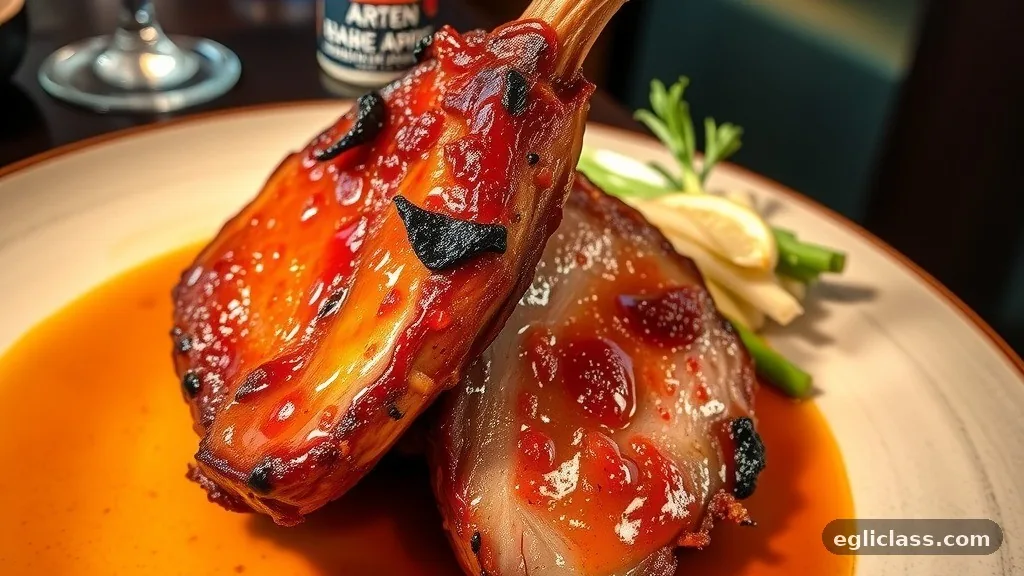
To identify where to find the finest version of this dish, one must first understand the technical requirements of the recipe. At its core, the dish relies on the quality of the bird and the mastery of the orange gastrique.
A proper gastrique is a reduction of sugar and vinegar, which provides the necessary acidity to cut through the heavy, rendered fat of the duck. If a restaurant serves a version that tastes like a cloying orange marmalade poured over meat, it is likely a poor imitation rather than a testament to culinary heritage.
The skin should be rendered to a crisp, golden-brown perfection, while the meat remains succulent and tender. Chefs often utilize a technique involving slow roasting to ensure the fat beneath the skin melts away, leaving behind a thin, flavorful layer.
When you are performing your own restaurant discovery, look for menus that emphasize the sourcing of the duck. High-quality poultry makes a significant difference; if the menu mentions specific farms or regions, you are already on the right track toward finding a superior dining experience.
Navigating the French Bistro Landscape
When searching for the best Duck à l’Orange in your local area, the French bistro is often your most reliable destination. These establishments are designed to provide comfort food rooted in tradition, rather than the experimental, deconstructed plates found in more avant-garde kitchens.
A bistro setting typically favors time-honored techniques, which is exactly what a dish as storied as this requires. You are looking for a place that feels established, where the staff can speak to the provenance of the ingredients and the preparation method.
In a traditional bistro, you might find the duck served with simple accompaniments like roasted potatoes or seasonal root vegetables. This simplicity is intentional.
Because the sauce is complex and the meat is intensely flavorful, the sides should serve as a grounding force. If you walk into a bistro and see the menu is small, focused, and features a handful of core dishes that haven’t changed in years, you have likely found a kitchen that cares more about consistency and depth of flavor than following fleeting trends.
Differentiating Between Fine Dining and Brasserie Style
The environment in which you consume your meal significantly alters your perception of the dish. Fine dining establishments approach Duck à l’Orange as a centerpiece of gastronomic art.
In these settings, you might encounter more elaborate plating, perhaps with the duck breast sliced thin, fan-style, or served alongside a more intricate vegetable purée. The service will be formal, and the wine pairing will likely be meticulously curated to balance the sweet and sour notes of the sauce.
Conversely, a French brasserie often offers a more boisterous, high-energy atmosphere. The duck here might be presented in a more rustic fashion, perhaps as a leg or half-bird, emphasizing the heartiness of the meal.
Neither is necessarily “better,” but knowing your preference helps you narrow down your search. If you are celebrating an anniversary, the refined plating of a fine dining establishment may be preferable, whereas a lively brasserie is perfect for a long, wine-filled dinner with friends where the focus is on conviviality and robust, satisfying portions.
The Role of Magret de Canard in Modern Cooking
Many contemporary restaurants have shifted toward using Magret de canard—the breast of a duck that has been specifically fattened for foie gras production. This cut is prized for its thickness and its ability to remain juicy even when cooked to medium-rare.
When you are looking for the best version of this dish, inquire if the kitchen uses the breast specifically. Magret is a hallmark of high-quality, authentic French cooking and provides a superior texture compared to the smaller, leaner breasts of standard ducks.
The preparation of Magret requires precision. Because it is a thick cut, the chef must score the skin in a crosshatch pattern to allow the fat to render properly without overcooking the lean meat underneath.
If a restaurant treats the duck with this level of technical care, it is a strong indicator that the rest of their menu will follow suit. You can often see this attention to detail in the way the kitchen handles other classic French dishes, such as their confit or their sauces.
Why the Orange Gastrique is the Soul of the Dish
The sauce is what separates a good dish from a transformative one. The orange gastrique is not merely a topping; it is a vital component that balances the palate. A high-quality gastrique involves a complex interplay of caramelization, acidity from the vinegar, and the aromatic oils from the orange zest.
It should have a glossy sheen and a viscosity that clings to the back of a spoon. If the sauce is watery or overly syrupy, the harmony of the dish is lost.
When you are reading reviews or browsing menus online, look for descriptors like “pan-seared,” “citrus reduction,” or “Grand Marnier glaze.” These terms suggest that the chef is building the sauce in the pan using the drippings from the duck.
This method, known as a pan sauce, is a fundamental technique in the French culinary canon. It ensures that the essence of the roasted bird is infused directly into the sauce, creating a depth of flavor that cannot be replicated by pre-made reductions.
Regional French Traditions and Their Influence
While Duck à l’Orange is often associated with the classic Parisian style, it is worth noting that regional French dishes often influence how a restaurant approaches the bird. In the Southwest of France, for instance, there is a deep reverence for all things duck.
If a restaurant’s chef has trained in the Gascony or Périgord regions, you can expect their approach to be deeply rooted in the preservation of heritage. They might incorporate different types of citrus or even a hint of spice to elevate the profile of the dish.
Understanding these regional influences can help you refine your search. If you find a restaurant that emphasizes “Southwest French cuisine” or “Gascon cooking,” you are likely to encounter a version of the dish that is perhaps more robust and earthy.
These kitchens often utilize the whole bird, ensuring that the fat is used to cook the sides, thereby infusing the entire plate with the rich, savory notes of the duck. This is a far cry from the simplified, one-note versions found in casual eateries.
Evaluating Restaurant Reviews for Authenticity

In the digital age, restaurant discovery often begins with online reviews, but these can be misleading if you do not know what to look for. When scanning reviews for a place serving Duck à l’Orange, ignore the generic “five stars” and look for comments that describe the texture of the skin and the balance of the sauce. A reviewer who mentions that the “duck skin was perfectly crisp” or that the “orange sauce was bright rather than sweet” is a reliable guide.
Furthermore, pay attention to the frequency with which the dish appears in reviews. If a restaurant has a dedicated following specifically for their duck, it is a strong signal that they have mastered the recipe.
A dish that is a staple on the menu for years indicates a “signature dish” status. In the world of dining out, signature dishes are usually the safest and most rewarding bets, as the kitchen has had thousands of opportunities to refine every aspect of the preparation.
The Importance of Proper Wine Pairings
A true gastronomic experience is rarely complete without the right wine. Because Duck à l’Orange features a sweet-and-sour profile, it can be notoriously difficult to pair.
A heavy, tannic red might clash with the acidity of the orange, while a white that is too light will be overpowered by the richness of the fat. The best restaurants will have a sommelier or a knowledgeable server who understands this dynamic.
Look for a wine list that includes options like a Pinot Noir from Burgundy, which offers enough earthiness to stand up to the duck while possessing the red fruit notes that complement the citrus. Alternatively, a slightly off-dry Riesling or a Gewürztraminer can provide a brilliant contrast to the orange notes.
If a restaurant takes the time to suggest a specific pairing for their duck, it shows a commitment to the overall dining experience that extends beyond the plate. You can learn more about the complexities of pairing by visiting the Auguste Escoffier School of Culinary Arts, which serves as a standard-bearer for the study of professional cooking techniques.
Identifying Quality Through Seasonal Availability
The best kitchens in the world follow the rhythm of the seasons. While Duck à l’Orange is often viewed as a year-round staple, the highest-quality establishments will adjust their accompaniments to reflect the time of year. In the autumn, you might see the duck served with roasted root vegetables or chestnuts, while in the spring, it might be paired with fresh, bright greens or early-season stone fruits.
This seasonal variability is a hallmark of authentic French cooking. If a restaurant’s menu remains static for years, it may suggest a lack of engagement with fresh, local produce. A kitchen that adapts its sides to the season is a kitchen that is actively cooking rather than simply reheating.
When you call to make a reservation, feel free to ask, “What is the duck currently served with?” The answer will tell you everything you need to know about the restaurant’s commitment to freshness and culinary creativity.
The “Boucherie” and “Brasserie” Experience
The concept of the French brasserie often conjures images of tiled floors, bentwood chairs, and a bustling, energetic environment. These spaces are designed for the consumption of classic, hearty dishes.
In a busy brasserie, the turnover is high, which means the ingredients are usually fresh and the kitchen is constantly in motion. This environment is perfect for a dish like Duck à l’Orange, which benefits from the high-heat, high-volume production of a professional kitchen.
Look for places that describe themselves as a “Boucherie” or “Brasserie.” These terms often imply a focus on meat-centric dishes, where the kitchen treats the butchery process with the respect it deserves.
When a restaurant prides itself on being a meat-focused establishment, you can bet that their duck preparation will be superior to a general-purpose bistro that treats the dish as an afterthought. The focus on the animal itself—the quality of the fat, the age of the bird, and the curing process—is what separates the good from the great.
Understanding the Value of Upscale French Restaurants
When you move into the realm of upscale French restaurants, you are paying for more than just the food; you are paying for the culmination of the chef’s experience. In these settings, the Duck à l’Orange is often a test of the kitchen’s technical prowess. It is a dish that requires patience—time to render the fat, time to reduce the sauce, and time to rest the meat.
Upscale kitchens often use sous-vide techniques followed by a high-heat sear to achieve a level of consistency that is impossible to replicate in a home kitchen. While some purists argue against modern technology, the result is often a perfectly cooked piece of meat every single time.
If you are looking for the absolute best version, do not be afraid to seek out fine dining establishments. The higher price point is usually justified by the sourcing of premium poultry and the labor-intensive nature of the sauce preparation.
Consistency: The Final Marker of Excellence
The ultimate test of any restaurant is consistency. A great kitchen is one where the Duck à l’Orange tastes exactly the same on a Tuesday night in November as it does on a Saturday night in June.
This consistency is the result of rigorous kitchen standards and a team that is dedicated to the craft. When you find a place that hits this mark, it becomes more than just a restaurant; it becomes a destination.
As you continue your search, keep a record of your experiences. Note the balance of the sauce, the quality of the meat, and the attentiveness of the service. Over time, you will develop a personal list of establishments that you trust.
This is the essence of restaurant discovery—moving beyond the convenience of a search engine and into the realm of personal experience and culinary appreciation. By focusing on these markers of quality, you will eventually find your go-to spot for one of the most rewarding dishes in the history of French gastronomy.
Final Considerations for Your Search
When you are finally ready to book your table, remember that the best experiences often come from a place of curiosity. Don’t be afraid to ask questions of your server or even the chef.
A good kitchen is proud of their work and will be happy to explain their process. Whether you are in a small town or a bustling metropolis, the search for the perfect Duck à l’Orange is a journey of discovery that celebrates the enduring power of classic flavors.
Keep in mind that the landscape of dining is always changing. New chefs with new perspectives are constantly opening kitchens that honor the past while looking toward the future.
Stay open to new establishments, but always measure them against the high standards of technique, sourcing, and balance that define the dish. By prioritizing these elements, you ensure that every meal is a celebration of the culinary traditions that have made this dish a global icon for generations.
The pursuit of the perfect meal is a lifelong endeavor. It is not just about the calories or the satiation; it is about the connection to a history of craft and a respect for the ingredients.
When you find that perfect plate—the one where the skin cracks just right, the meat melts, and the sauce dances on your tongue—you will know that the search was worth every moment. Enjoy the process of exploring, tasting, and appreciating the nuance of this magnificent classic.